Where Technology Debt Breaks the Deal
Kuijper and Bobbert argue that weak cyber due diligence leaves buyers blind to the technology debt shaping valuation. Their Cyber Risk Agent turns raw IT evidence into decision-ready risk, cost, and integration insight.
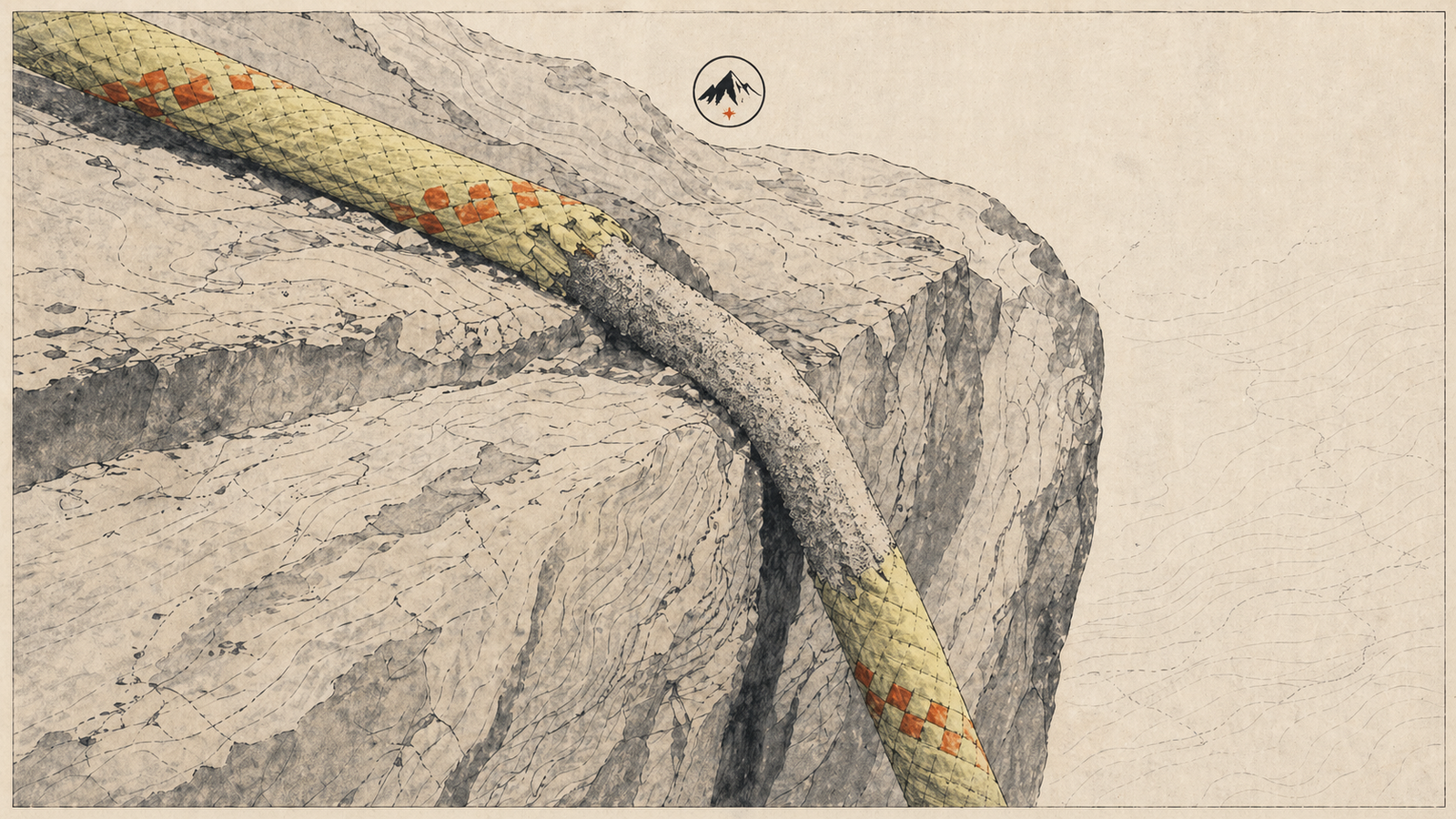
Y · Why this matters. At altitude, the first question is Y: why are we here, and what happens if we do nothing? Kuijper and Bobbert argue that deals get mispriced when cyber due diligence stays a late technical appendix instead of informing value, price, and post-deal execution.
What the article finds. The paper identifies a cognitive gap in M&A. Legal and finance teams receive patch reports, inventories, and configurations, but not a business reading of what those materials mean. That leaves digital integrity underexposed during valuation, even though hidden dependencies, legacy exposure, and undisclosed vulnerabilities can later surface as integration delay, remediation cost, or reputational loss.
Their answer is the Cyber Risk Agent, a governed AI layer that ingests due diligence artefacts, interprets them against frameworks such as ISO 27001, COBIT 5, SWIFT, and NIST, and produces red flags, cost ranges, risk narratives, and integration dependencies. In the pilot, weeks of manual review became hours, and cyber findings reached valuation discussions in time to shape price clauses and integration planning. The point is not to replace the CISO. It is to make technical risk legible to the deal team while keeping a human in command.
Three takeaways.
- Bring technology debt into valuation before signing, not after closing.
- Demand decision-ready outputs: red flags, migration costs, dependencies, and explainability traces.
- Keep a human in command so speed improves without losing accountability.
The route. The route is Design Science Research, tested through an experimental deployment in a European buy-and-build group. Its value is practical: it turns scattered technical evidence into a repeatable governance artefact that deal teams can validate, challenge, and use.
Read the original https://www.isaca.org/resources/isaca-journal/issues/2026/volume-2/the-value-of-the-cyberrisk-agent-in-ma